

Most goods in the U.S. are delivered by truck. Trucking companies, businesses that deliver their own products, and their customers rely on well-functioning vehicles and drivers for the success of their operations. Too often, though, driving a truck is not conducive to good health. That can spell trouble for the drivers and for the profitability of their employers. There are a number of factors about the truck-driving occupation that contribute to poor physical health, including: Drivers are hired to sit all day behind the wheel, with limited opportunities for exercise. They eat at truck stops and other restaurants where they can get meals quickly, contributing to poor diets. Their work schedules are not consistent, interfering with sleep patterns. The job is stressful. They have to contend with the annoyances and hazards of the road all day long, including traffic delays, dangerous drivers, and poor weather. On top of that, they are under pressure to reach their destinations on time. This gives them incentives to skip sleep and ingest stimulants to help them stay awake. Not surprisingly, studies have found that: The obesity rate for truck drivers is double that of the general population. Their smoking rate is almost triple that of the general population. 88% of truck drivers report having hypertension, smoking or obesity, and 9% reported having all three, quadruple the general population’s rate. Truck drivers’ life expectancy is 16 years less than the national average. Unhealthy drivers do not perform their jobs as well as healthy ones do. Among private sector employees, truck drivers have the highest number of illnesses and injuries that cause them to miss work. A 2017 study found that drivers with three or more serious health conditions like the ones mentioned above are two to four times more likely to have an accident than are those with only one. One common affliction for many drivers is sleep apnea. Drivers who have untreated sleep apnea are five times more likely to have a preventable accident than are those who treat it.
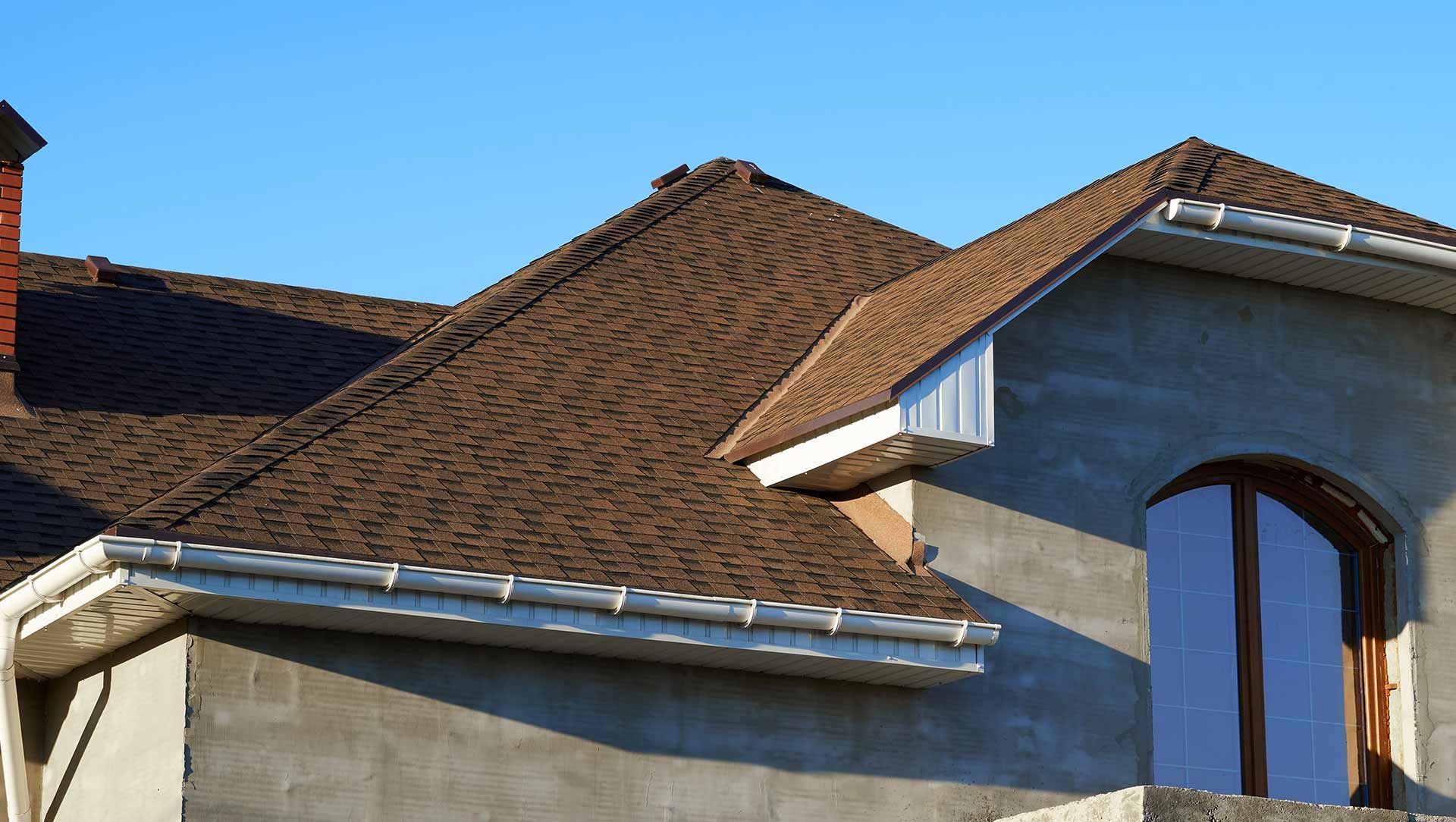
As claims costs for roof damage caused by heavy storms and natural catastrophes have soared in recent years, homeowner’s insurers have become increasingly selective about the age and type of roof a policyholder has. Insurers are increasingly requiring homeowners to replace old roofs to avoid policy non-renewal or limited coverage for roof damage. What is considered “old” varies by roof type. Slate and tile roofs have much longer lifespans if properly maintained, but insurers will scrutinize asphalt and wood shake shingles because they tend to erode more quickly. The changes are leaving many homeowners in a bind as they seek coverage during a period of rising premiums fueled by frequent natural catastrophes and escalating rebuilding costs. Roof repair and replacement costs reached $31 billion in 2024, up nearly 30% from 2022, according to data analytics firm Verisk. Wind and hail claims have been major drivers of these costs, and roof losses now account for more than one-quarter of residential claims costs.

More American homes include a new addition: a drone. While these gadgets can be loads of fun to fly, they also come with responsibility and risks of property damage and bodily injury. And as people start flying drones, there will be accidents and injuries followed by claims and even lawsuits. If you are like most people, you were not thinking about insurance when you purchased a drone. But you’ll want to make sure you are properly covered for accidents, particularly if you injure a third party or damage their property. The liability protection in homeowner’s or renter’s insurance policies will sometimes cover damage or injury from a drone crashing into a neighbor’s house, vehicle or child. Yet this coverage isn’t universal, and some policies specifically include an aviation exclusion that encompasses recreational drones, which the Federal Aviation Administration currently classifies as small aircraft. While your homeowner’s policy would likely cover damage if your drone crashes into a neighbor’s car, your policy would not cover damage to your own property. If you are uncertain about whether your policy covers drone liability, please call us, and we can check it for you. In case it isn’t covered, you can buy drone insurance through individual liability coverage through us.
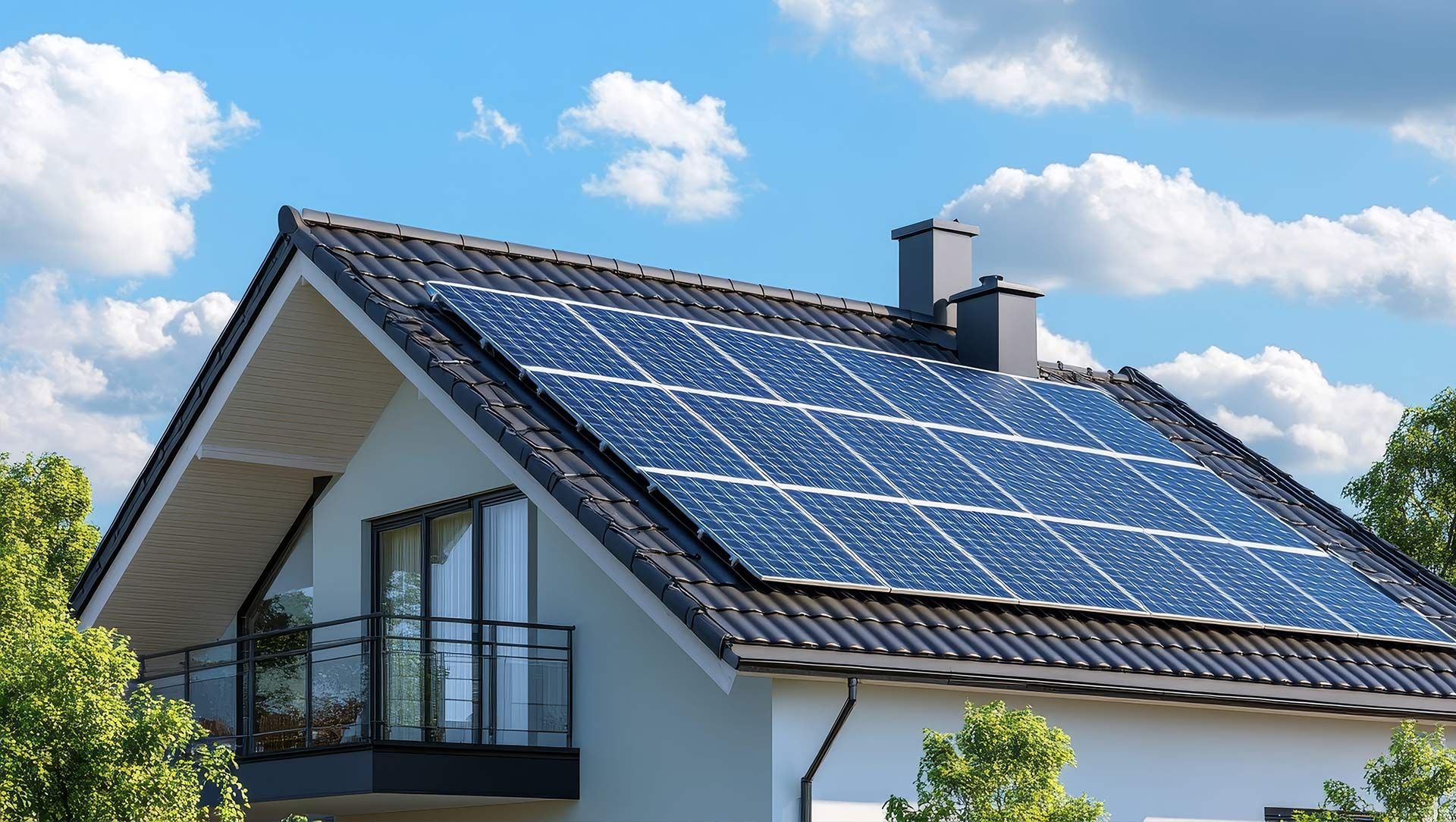
Solar panels have become increasingly popular as homeowners look for ways to lower energy costs and reduce their environmental footprint. But while rooftop solar systems are generally safe and rarely cause fires, they can create challenges if a fire starts in the home. Fires can be more difficult to extinguish due to access issues, which can increase the damage and overall repair costs. Fortunately, homeowners considering solar panels can take steps before installation to reduce these risks.

Welcome to our new insurance agency blog! This is our very first post. We're not quite sure what we're going to write about here, but the plan is to create helpful content for customers and prospective clients about information that is relevant to you. We hope you'll come to view this as a top resource for keeping your family and your finances safe. Here are a few of the topics we may be writing about: Answers to clients' frequently asked questions. Helpful information about insurance shopping. Safety and Health Tips and Ideas. Local Community Information. Stay Tuned!
